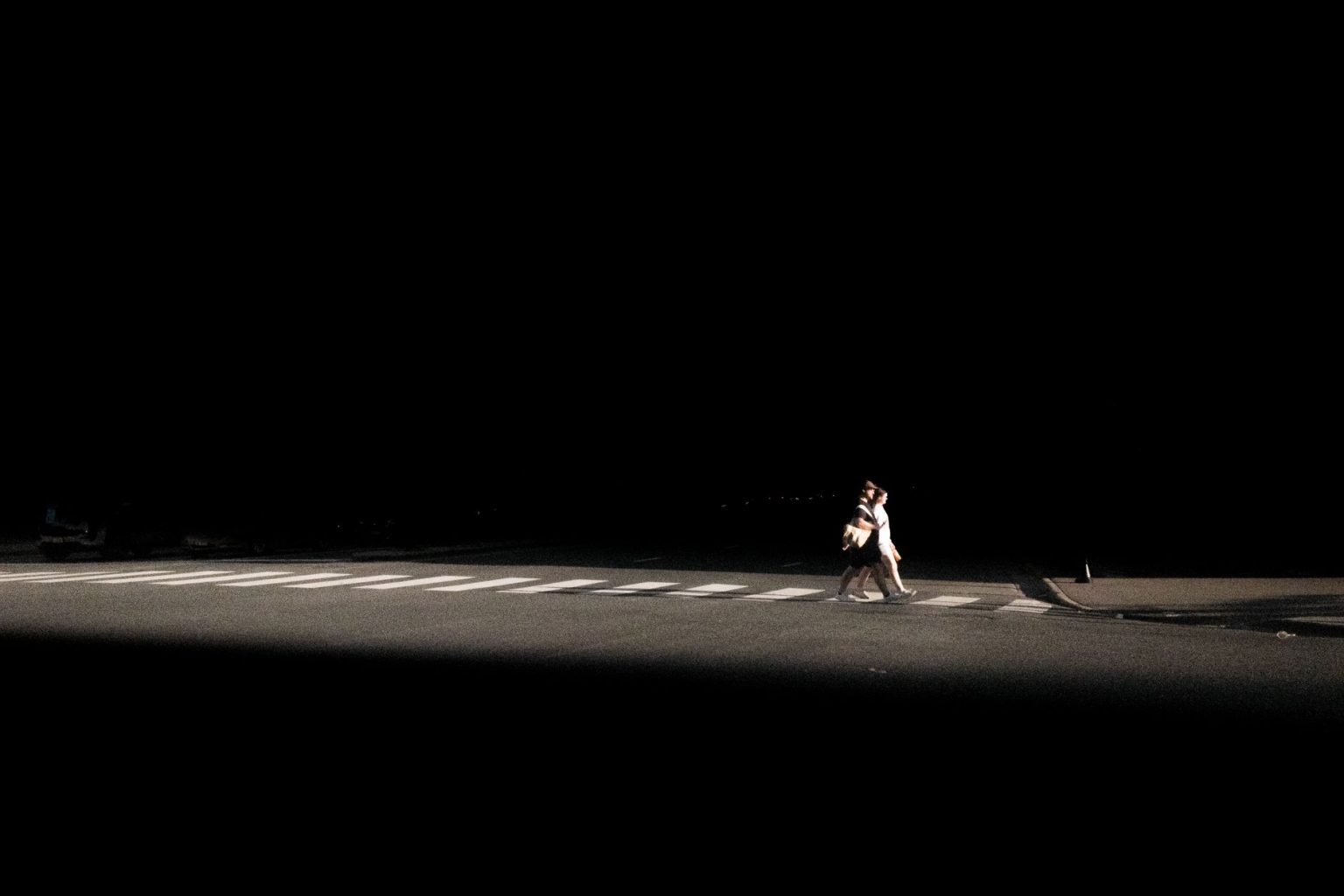
Indian founder Divyanshi Dhouni has used her experience of living in Poland to question why freedom of movement remains a concern for women in India. In an Instagram video recorded at around 11 pm, she described feeling able to go out at night and seeing other women use public spaces without the restrictions she associated with life back home.
Hindustan Times reported on the video, identifying Dhouni as an Indian founder living in Poland. Her remarks were a personal account, not the findings of a comparative safety study. The publication said it had not independently verified the social-media claims.
Everyday Freedom, in Her Account
Dhouni addressed Indian women directly, saying she wanted them to see how activities considered a luxury at home could feel ordinary elsewhere. She described women going out during the day or at night for work and leisure, and said she had watched women running and cycling at 2 am from her balcony.
She also spoke about clothing and unwanted attention. In her experience, she said, women could choose what to wear without being stared at or made to feel uncomfortable. These observations concerned her own surroundings and impressions; they do not establish how every woman experiences either country.
Dhouni cited a female employment rate of 73 percent in Poland. The report did not supply a statistical source, reference period or age group for that figure. It should therefore be understood as a claim made in the video, not an independently confirmed measure. An employment rate is also different from the percentage of a country’s workers who are women.

What Returning Home Can Mean
Dhouni linked her sense of safety to the choices some Indian women face after moving abroad for work or education. She suggested that experiencing greater personal freedom could make the prospect of returning home difficult.
“Because imagine giving up on this freedom and all these basic rights,” she said, explaining her view. The report did not include migration research or interviews establishing how widely other women shared that reasoning. Her comments offer one perspective on the decision, rather than evidence of a national pattern.
Her Argument About Progress
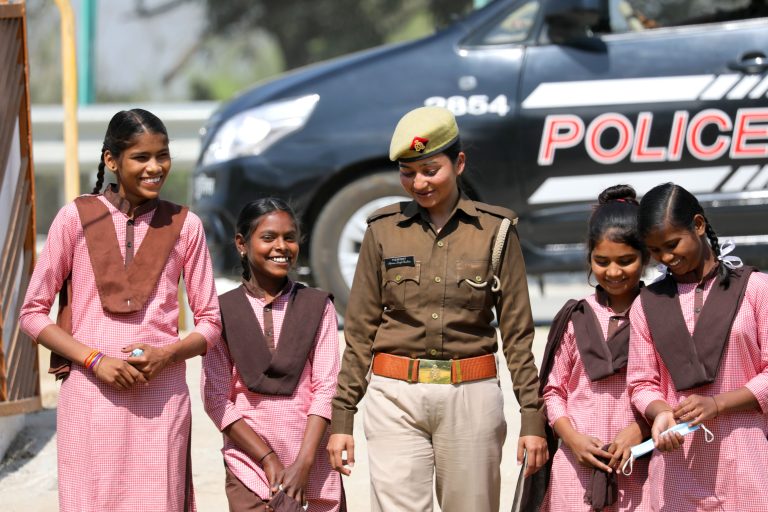
Dhouni’s central argument was that economic growth should not be separated from women’s everyday safety. She said that a larger economy would mean little if women could not enjoy the freedom she described.
The response reported by Hindustan Times was limited but supportive. One commenter wrote, “This is the kind of freedom every woman deserves.” Another said the comparison prompted reflection. Those reactions show how some viewers responded, without establishing a wider public consensus.
Hindustan Times said it had contacted Dhouni for further comment and would update its report upon receiving a response. For now, the account remains a founder’s appeal to treat women’s safety and independence as basic expectations, not exceptional privileges.
Frequently asked questions
What did Divyanshi Dhouni say about women's safety?
She described feeling free to go out at night in Poland and questioned why similar freedom should be considered a luxury for Indian women.
Were the claims independently verified?
Hindustan Times said it had not independently verified the claims in the Instagram video. The account is not a comparative safety study.
What does the 73 percent figure refer to?
Dhouni cited a female employment rate, not women’s share of all workers. The report supplied no statistical source, reference period or age group for that figure.