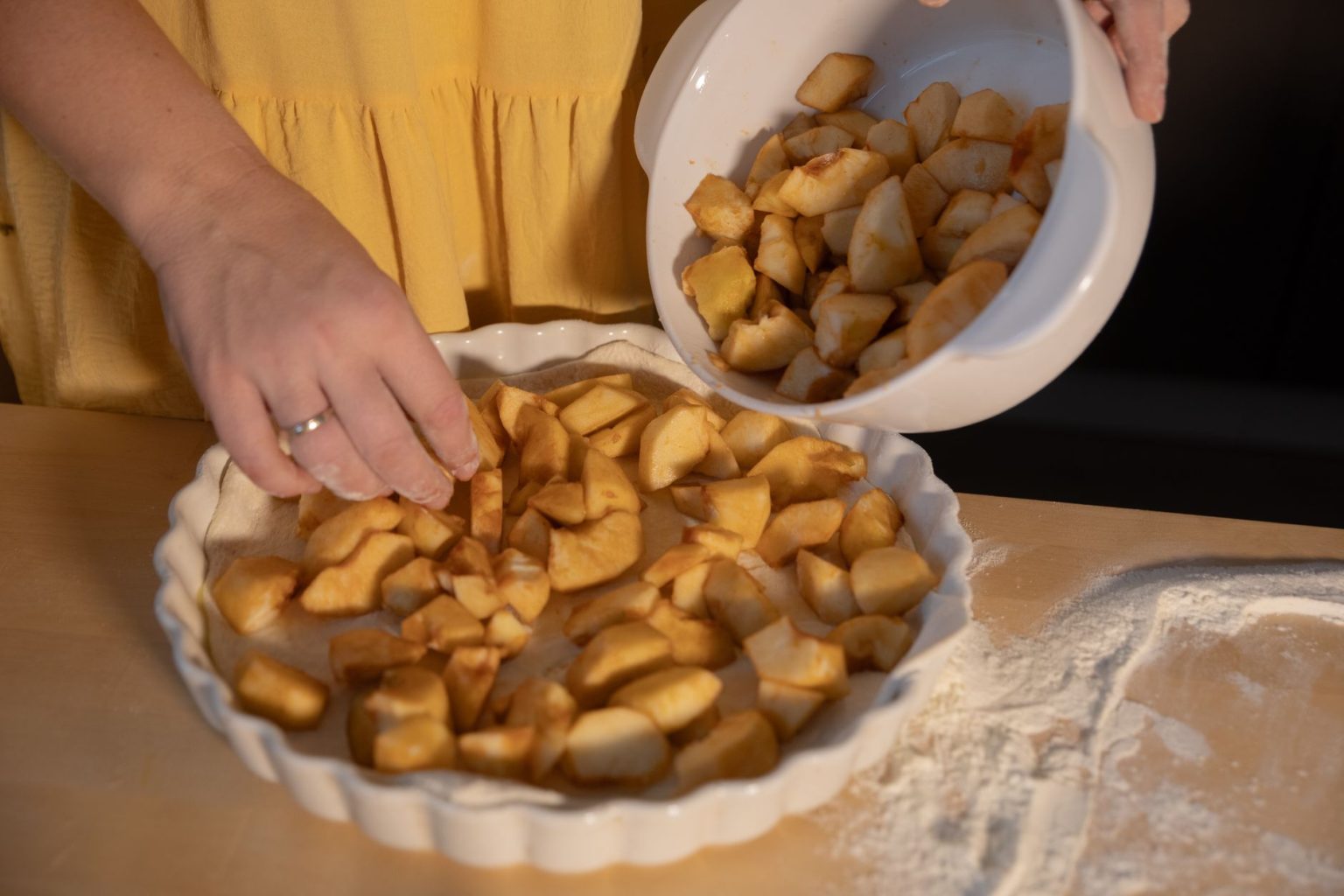
Apple pie is no longer just a dessert in America, it has become the nation’s most enduring symbol of cultural identity, transcending its colonial origins to represent everything from patriotism to nostalgia to the tension between homemade tradition and mass-produced convenience.
The transformation began centuries ago when colonists brought apples to North America and Johnny Appleseed spread them across the continent. Over time, the dish evolved into shorthand for “mom and apple pie,” a phrase meaning beloved and quintessentially American. This cultural equation appears repeatedly in Associated Press stories spanning the last century, cementing apple pie as more than food, it became national mythology.
During both world wars, soldiers stationed far from home pined for apple pie. The longing was so profound that when a Texas mother shipped a pie to Soviet leader Nikita Khrushchev at his Manhattan headquarters, the delivery triggered a bomb scare that shut down several midtown blocks. Apple pie had transcended mere sustenance to become an emotional anchor to American identity itself.
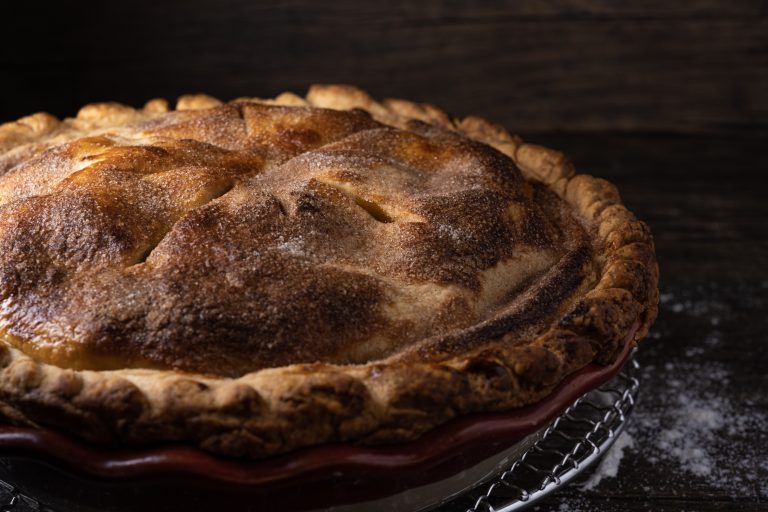
From Home Kitchens to Corporate Freezers
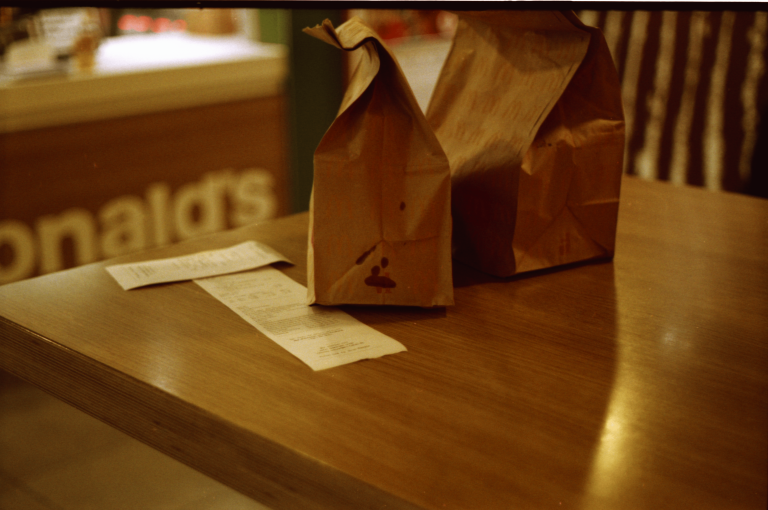
The symbolism fractured in the 1960s when McDonald’s introduced a fried apple pie in rectangular form. Into an era defined by war abroad and upheaval at home, the fast-food chain offered processed comfort. That product marked a cultural inflection point, one history student’s teacher, Bill Schechter, recognized immediately and preserved as a classroom artifact.
Mr. Schechter placed the McDonald’s pie atop his blackboard as a tangible reminder of how corporations and consumerism had begun replacing homemade cooking in American life. Years later, he noted, the pie “looked as fresh as ever,” its preservatives so effective the mass-produced product outlasted memory. The contrast was stark: Jack Kerouac sustained himself on homemade apple pie during his transformative cross-country journey in “On the Road,” not the McDonald’s variety.
That classroom moment captured something larger than food trends. It represented a fork in the American road, a nation where ordinary people remain decent and safeguard sweetness, yet live under the shadow of great and sometimes sinister commercial forces. The choice between grandmother’s recipe and a shrink-wrapped pie became a question about what America was choosing to preserve.
Reclaiming Homemade in the 250th Year
As America marked its 250th anniversary in 2026, McDonald’s reintroduced its fried apple pie, inviting nostalgia and another round of the same cultural negotiation. Yet the symbolic weight has shifted. For many families, apple pie remains the only thing family members cook together, rolling dough, fluting crust edges, peeling and chopping apples.
That collective ritual carries meaning beyond ingredients. It transmits family secrets, bonds generations, and makes the pie worth guarding. Families keep recipes close, understanding that certain traditions survive only through deliberate protection and deliberate choice. The pie’s power lies not in its availability but in its resistance to industrialization.
Apple pie will never be merely food again. It remains a vessel for choices about what Americans choose to make with their own hands, what they choose to remember, and what they choose to preserve against the relentless march of efficiency and scale.
Frequently asked questions
Why did apple pie become symbolic of American identity?
Colonists brought apples to North America, Johnny Appleseed spread them widely, and the phrase mom and apple pie became shorthand for beloved Americana, appearing repeatedly in Associated Press stories throughout the 20th century.
How did McDonald's fried pie change the meaning of apple pie?
McDonald’s introduced a processed alternative in the 1960s, representing a shift where corporations and mass production began replacing homemade cooking as the nation’s comfort food provider.
What happened when a Texas mother sent apple pie to Nikita Khrushchev?
The delivery to Soviet headquarters in Manhattan triggered a bomb scare that shut down several midtown blocks, showing how deeply apple pie resonated as an American symbol.
Why do families still guard traditional apple pie recipes?
Families keep recipes close because they transmit traditions across generations through the ritual of cooking together, making homemade pie an act of deliberate cultural preservation against industrialization.
How does Jack Kerouac connect to apple pie's meaning?
Kerouac sustained himself on homemade apple pie during his transformative cross-country journey in On the Road, representing the authentic American experience rather than mass-produced alternatives.