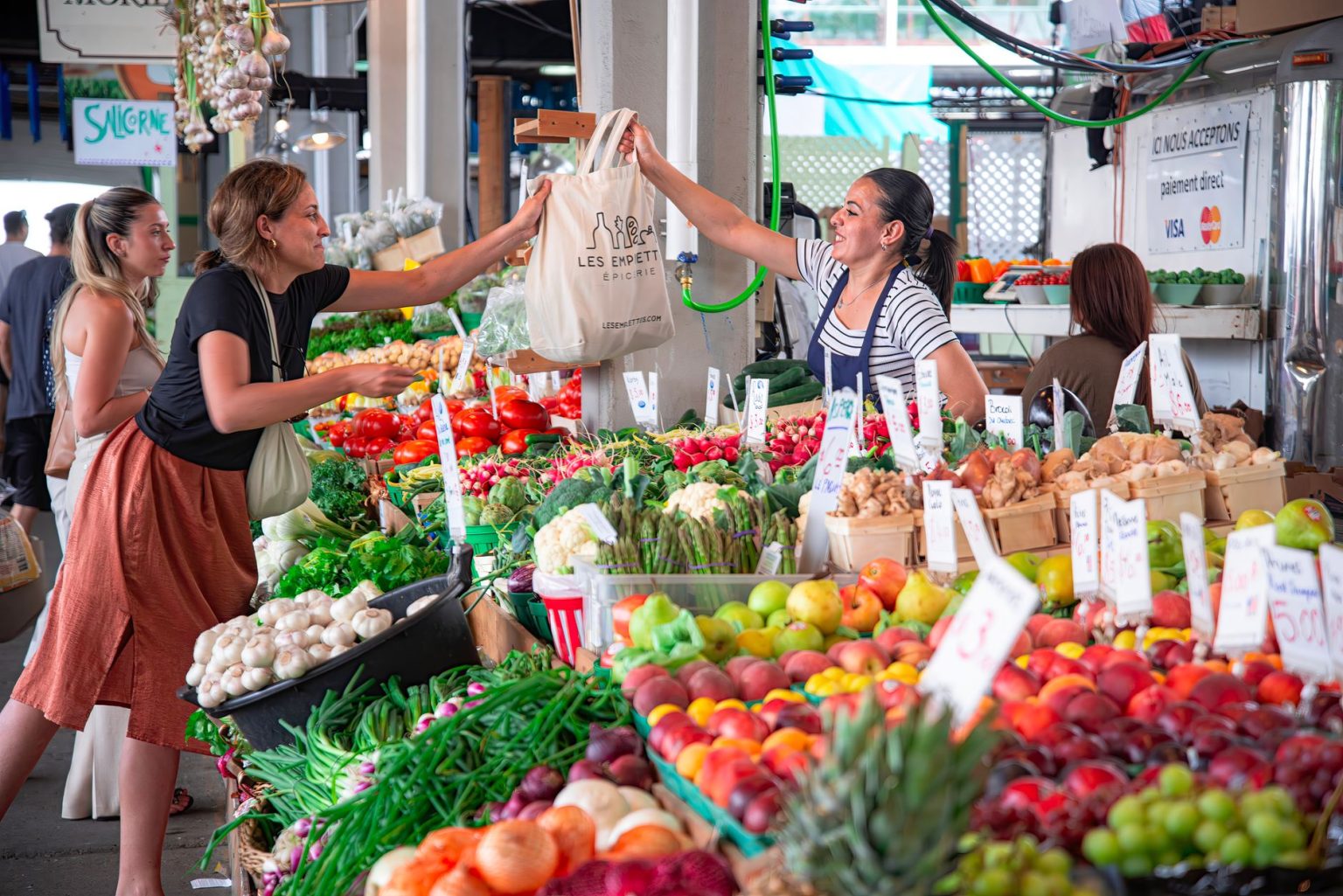
Women rural entrepreneurs are increasingly using business ownership to address local economic needs while supporting their communities. A growing body of research shows that women-owned businesses now account for more than 40% of all U.S. firms, 15.7 million businesses, according to Wells Fargo’s 2026 report on The Impact of Women-Owned Businesses. Yet these enterprises remain significantly smaller than male-owned counterparts, with only 4.6% of total business revenue derived from women-owned startups and just 9% of women-owned businesses employing staff compared with nearly 20% of men-owned firms.
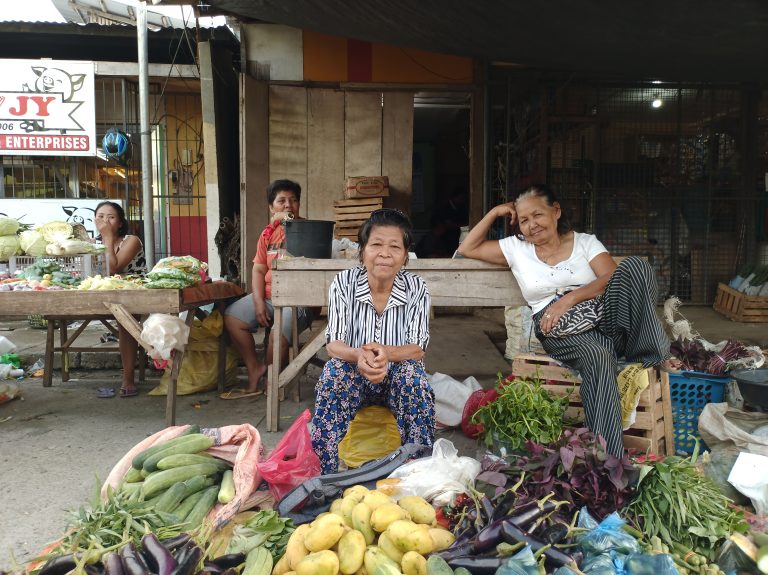
For rural women entrepreneurs, business ownership often reflects both necessity and opportunity. In lower-income rural counties, women may start businesses to fill gaps left by limited employment options. In higher-income rural areas, women more often launch ventures after spotting untapped market opportunities in their communities. Either way, their enterprises frequently blend financial goals with a mission to improve local conditions, a dimension that sets rural women entrepreneurs apart from their urban peers.
Food Industry as a Gateway
The food sector has emerged as a particularly promising space for rural women entrepreneurs. Consumer demand for local foods, relaxed cottage food regulations, the growth of food trucks, and the culinary aspirations of home cooks have created multiple entry points. Food businesses can start with minimal capital and often provide work for specialized craftspeople in their communities. Shared kitchen networks, a growing movement coordinated through The Network for Incubators and Community Kitchens, now allow entrepreneurs to enter the market without investing in a full production facility.

The Food Corridor, a women-owned business support platform, offers technical assistance and sector research including a 2026 report on the state of the industry. The platform regularly hosts Shared Kitchen Summits to help entrepreneurs navigate the landscape and connect with peers.
Community Support Systems and Resources
Beyond shared kitchens, a network of institutional support has emerged for women entrepreneurs with ambitious ideas and community-focused missions. Small Business Development Centers supported by the U.S. Small Business and Economic Development Administrations operate across American communities to nurture early-stage ventures. Regional initiatives like StartUp Colorado’s Rural Women in Entrepreneurship community of practice provide targeted mentorship and resources tailored to rural contexts.
These systems build on decades of advocacy work that expanded women’s access to credit, education, and technical training, prerequisites for rural women aspiring to start their own enterprises. The legacy of expanding women’s economic autonomy now enables rural entrepreneurs to turn community challenges into viable business opportunities. As more women create locally rooted enterprises with social missions, rural communities benefit from both job creation and targeted solutions to regional needs.
Frequently asked questions
What percentage of U.S. businesses are women-owned?
Women-owned businesses account for more than 40% of all U.S. firms, totaling 15.7 million businesses according to Wells Fargo’s 2026 report.
Why do rural women entrepreneurs differ from urban entrepreneurs?
Rural women entrepreneurs often blend financial goals with missions to improve local community conditions, making social responsibility central to their business model.
How are shared kitchens helping rural food entrepreneurs?
Shared kitchen networks allow food entrepreneurs to enter the market without investing in their own production facility, lowering the barrier to entry significantly.
What support systems exist for rural women entrepreneurs?
Small Business Development Centers and regional initiatives like StartUp Colorado’s Rural Women in Entrepreneurship community of practice provide mentorship and resources tailored to rural contexts.
Why is the food industry popular for rural women entrepreneurs?
Local food demand, relaxed regulations, food truck growth, and minimal startup capital make food businesses an accessible entry point for rural women entrepreneurs.