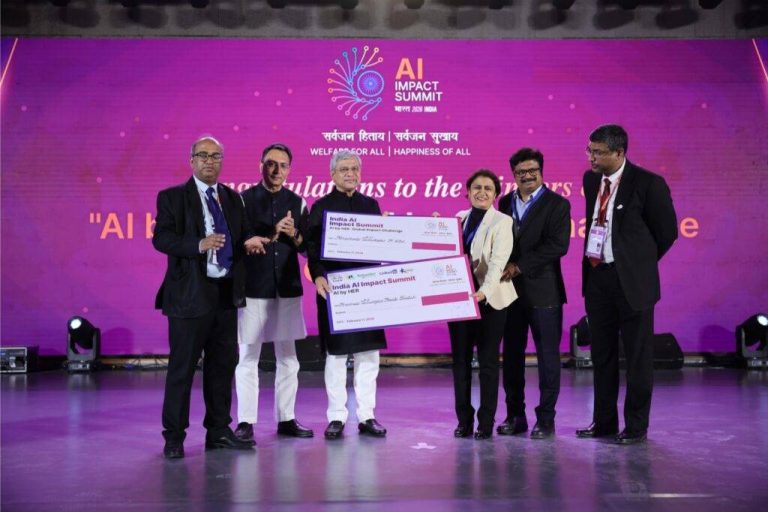
Women-led AI startups were promised structured mentorship and networking support at February’s India AI Impact Summit 2026. Anna Roy announced a dedicated capacity-building programme for 150 shortlisted ventures through the Women Entrepreneurship Platform (WEP).
The announcement concluded the AI By HER Global Impact Challenge’s day of discussions and startup presentations. A February 16 report from FinTech BizNews described the programme and its planned support.
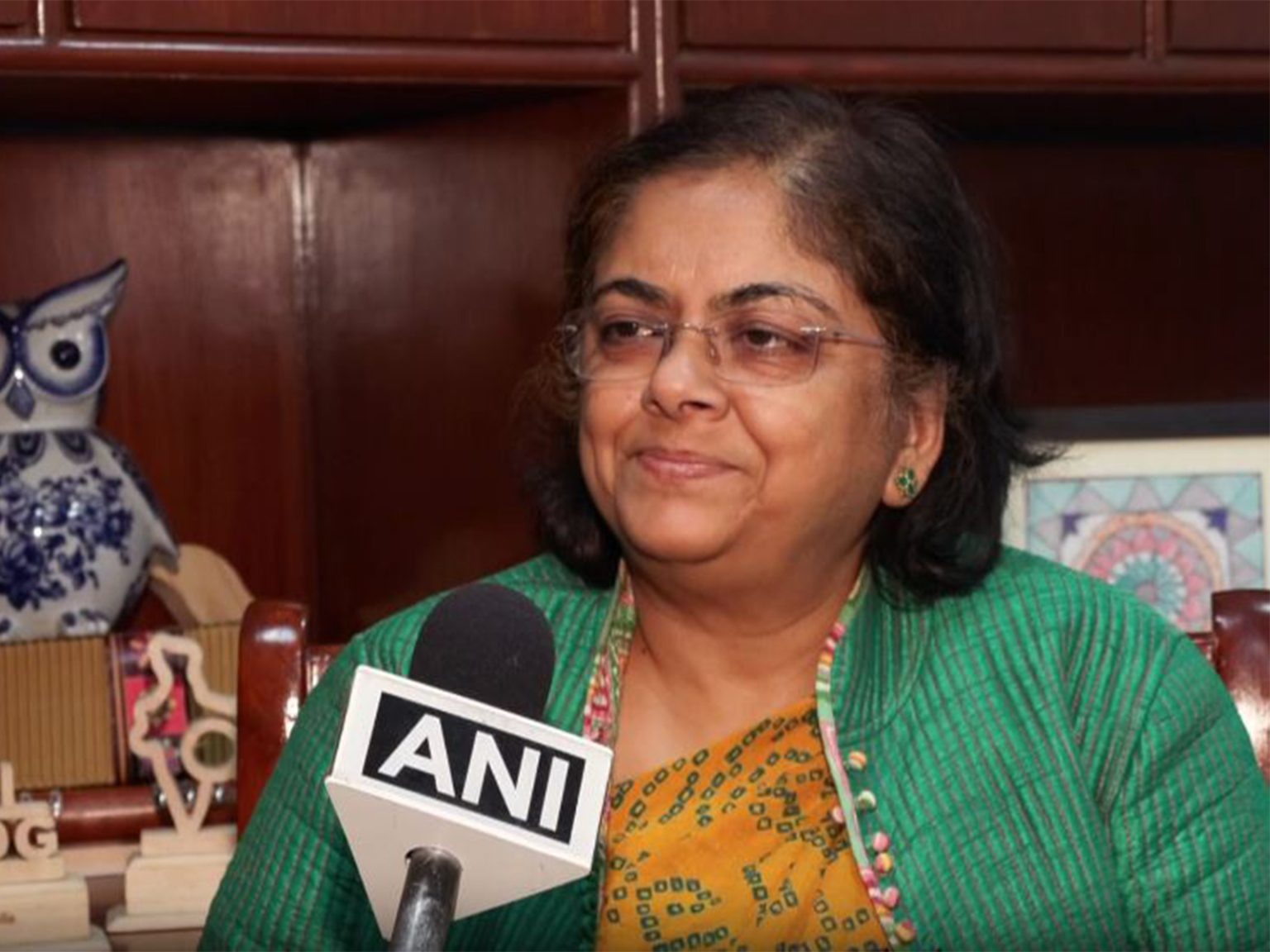
Roy, WEP’s mission director and programme director at NITI Aayog, outlined support from aspiration to business scale. The proposed mentorship and networking work would involve ecosystem partners.
Women-Led AI Startups Promised Broader Support
“Our vision at WEP is empowerment—Shakti—where we enable behaviour change, provide access to the right knowledge at the right time, and support women entrepreneurs from aspiration through to scaling their enterprises”, Roy said.
The announcement presented entrepreneurial success as requiring support across multiple areas. The networking element connects with related reporting on networks alongside business credit.
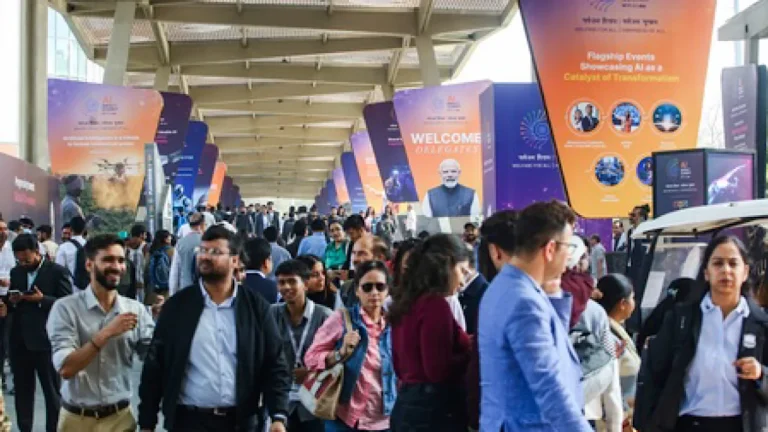
Women-led AI startups were part of a wider gathering of founders, researchers, policymakers and other ecosystem participants. The challenge focused on inclusive, responsible AI and public-good applications.
The report describes the planned programme as capacity building, rather than a financing award. Its stated components were structured mentorship and networking for the 150 shortlisted women-led AI startups.
Panels Addressed Trust And Practical Deployment
The opening panel, Her First Algorithm: India’s Next Breakthrough, featured young women innovators from three schools. Their projects addressed artisan livelihoods, grain storage inefficiencies and chronic health conditions.
Deepali Upadhyay, programme lead at Atal Innovation Mission, moderated that discussion. Participants came from Nagarjuna Model School, Dell Public School and Adarsh Public School.
A separate discussion examined turning research into deployable solutions in healthcare, agriculture and fintech. Moderated by Esya Centre director Meghna Bal, it emphasized trust, responsible data use and sector-specific design.
Responsible development also connects with coverage of privacy in AI entrepreneurship. The February gathering discussed using India’s Digital Public Infrastructure to move beyond experimentation.
Founders Discussed Execution And Lasting Business Models
The startup-playbook panel examined clarity, preparation and long-term resilience among women founders. Trilegal partner Rahul Matthan moderated a conversation featuring Kanika Tekriwal, Rucha Nanavati and Sarita Ahlawat.
Those discussions described disciplined execution, strong networks and consistent effort as tools for developing businesses. Collaboration across support organisations also features in reporting on Munich’s women founder alliance.
Another panel examined infrastructure-level AI solutions and sustainable business models. Its participants included Dr Sunita Maheshwari of The Telerad Group, Vidur Mahajan of CARPL.ai and Dr Nagendra Nagaraja of QpiAI India Pvt Ltd.
Women-led AI startups also delivered concise 10-minute spotlight pitches throughout the day. The presentations covered education, research, security, factory operations, waste recovery and water governance.
Roy concluded by announcing the Top 10 winners and congratulating their performance across evaluation rounds. The support announcement set out mentorship and networking as the proposed next stage for shortlisted women-led AI startups.
Frequently asked questions
How many startups were included in the support announcement?
Anna Roy announced a dedicated capacity-building programme for 150 shortlisted women-led AI startups, including structured mentorship and networking.
When was the programme described in the source report?
FinTech BizNews described the announcement in a February 16, 2026 report on the AI By HER Global Impact Challenge at India AI Impact Summit 2026.
What did the research-to-deployment panel discuss?
The panel examined deploying solutions in healthcare, agriculture and fintech, emphasizing trust, sector-specific design and responsible data use.
What format did the startup spotlight presentations use?
Selected women-led AI ventures delivered concise 10-minute pitches covering applications including education, research, security and environmental services.