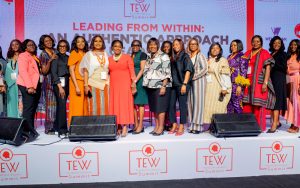
A convergence of new infrastructure for senior women leaders is reshaping how accomplished executives navigate career transitions and advance into influence-shaping roles. Two distinct but complementary initiatives-one focused on personalized career navigation and another recognizing transformative executive achievement-signal a structural shift in how organizations are addressing the gap between entry-level women’s development and the sparse support available to leaders already in senior positions.
SheKnows, a newly launched global digital platform, positions itself as a departure from traditional mentorship models by targeting women already in senior leadership roles who face defining career moments such as returning from parental leave or recognizing stagnation in long-held positions. The platform connects participants with “Growth Navigators”-experienced leaders from organizations and regions worldwide who provide direct, hands-on problem-solving based on lived experience. Rather than generic workshops or networking events, the model emphasizes one-on-one sessions with executives who have navigated similar inflection points.
“Leadership today is not just about having a seat at the table; it is about shaping the decisions that define industries and economies,” said Amnah Ajmal, founder and CEO of SheKnows, in a statement about the platform’s launch. The company designed its pathways around what it calls “guided growth,” supported by vetted Growth Navigators and artificial intelligence tools intended to transform uncertainty into actionable clarity.
The geographic reach of these navigators-spanning South Africa, the UAE, Qatar, Malaysia, the U.S., the UK, Poland, Hong Kong, Singapore, and Turkey-removes barriers that traditionally limit executive coaching to wealthy or well-networked women in major financial centers. This distributed model also addresses a persistent problem: senior women leaders in emerging markets or underrepresented sectors often lack access to peers who understand their specific operating environments.
Meanwhile, Chief, a network of senior women executives, released its second annual New Era of Leadership Awards, recognizing 100 women executives across sectors. The recognition criteria-innovation, empathy, creativity, purpose, and resilience-move beyond traditional achievement metrics to emphasize how these leaders navigate complexity and drive organizational transformation. The 2025 cohort includes chief financial officers at major tech platforms, founders of venture capital firms, presidents of content divisions at major media companies, and heads of supply chain operations at established retailers.
Among this year’s honorees are Alesia Haas, chief financial officer at Coinbase; Anjali Sud, CEO of Tubi; and Anu Duggal, founding partner of Female Founders Fund. These selections reflect not just seniority but evidence of disruptive thinking and inclusive leadership in sectors where women remain underrepresented at executive levels.
The awards were adjudicated by a panel drawn from The Walt Disney Company, Morgan Stanley, Etsy, Axios, and other major organizations, lending institutional weight to the recognition. This approach-validation by peers and institutional decision-makers-differs from self-nomination or consultant-driven lists, grounding the awards in observable executive performance rather than promotional narrative.
Both initiatives emerge against a backdrop of organizational pressure to strengthen governance and navigate uncertainty. Research on executive diversity consistently shows that gender-balanced leadership correlates with improved financial performance and decision-making quality, yet women remain concentrated in functional roles (human resources, communications, legal) rather than revenue-generating or strategic planning positions. The gap between junior women advancement programs and senior executive support networks remains a structural obstacle to genuine parity.
What distinguishes both SheKnows and Chief’s approach is their focus on women already holding power rather than those aspiring to it. This reflects a maturation of the diversity conversation: after two decades of entry-level women’s initiatives, the bottleneck has become visible at the director and vice president levels, where career interruptions, confidence gaps, and simple lack of peer access create invisible ceilings.
SheKnows’ emphasis on real-world problem-solving from navigators who have “walked the path” addresses a specific pain point that generic coaching misses. A woman returning from maternity leave to a C-suite role faces concrete challenges around reestablishing authority, managing team expectations, and navigating organizational memory gaps-situations that require guidance from someone who has solved those problems in comparable contexts, not a generalist executive coach.
The awards mechanism, conversely, operates as public acknowledgment of leadership that is already transforming industries. By naming these 100 women and publishing their achievements across affiliated institutional platforms, the awards create visibility that can influence hiring, board recruitment, and internal advancement decisions at other organizations. This peer-to-peer recognition within executive circles shapes informal networks and opportunity flows more directly than external certification programs.
Neither initiative claims to solve systemic barriers wholesale. SheKnows requires financial access to participate, and Chief’s awards reach a narrow slice of the executive population. Yet both respond to a concrete gap: senior women leaders operating in complex, high-growth environments with limited structured access to peer guidance, peer recognition, or curated intelligence about navigating transitions that their male counterparts often navigate through existing informal networks.
The emergence of these platforms also reflects market recognition. Organizations face retention challenges when talented women executives plateau in their roles due to lack of development pathways or peer support. By offering structured navigation through career transitions and peer recognition at the highest levels, these initiatives address a business-facing problem, not merely a diversity checkbox.
As organizations worldwide confront governance challenges and competitive pressure to retain executive talent, the infrastructure supporting senior women leaders is shifting from aspirational to operational. SheKnows’ launch and Chief’s expanded awards signal that the conversation has moved beyond “getting women into the room” to “supporting women who are already shaping the decisions.”
For women executives navigating inflection points-whether geographic relocation, role transition, or recognition gaps-these initiatives represent a structural shift in what support looks like when you already hold power and need to consolidate or expand it.
Source material included SheKnows Launches Global Platform to Advance Senior Women Leaders Into Executive Influence.
Frequently asked questions
Who founded SheKnows and what is the platform's core approach?
Amnah Ajmal, founder and CEO of SheKnows, launched the platform to connect senior women leaders with Growth Navigators who provide direct problem-solving based on lived experience through one-on-one sessions rather than generic workshops.
Which organizations adjudicated Chief's 2025 New Era of Leadership Awards?
The awards panel was drawn from The Walt Disney Company, Morgan Stanley, Etsy, Axios, and other major organizations, grounding the recognition in observable executive performance validated by institutional decision-makers.
In which countries does SheKnows have Growth Navigators available?
SheKnows has Growth Navigators spanning South Africa, the UAE, Qatar, Malaysia, the U.S., the UK, Poland, Hong Kong, Singapore, and Turkey, removing barriers that traditionally limit executive coaching to wealthy women in major financial centers.
What specific challenge does SheKnows address for women returning from parental leave?
SheKnows provides guidance on concrete challenges women returning from maternity leave face, including reestablishing authority, managing team expectations, and navigating organizational memory gaps through navigators who have solved these problems in comparable contexts.
How do the recognition criteria for Chief's awards differ from traditional achievement metrics?
Chief’s awards emphasize innovation, empathy, creativity, purpose, and resilience to recognize how leaders navigate complexity and drive organizational transformation, moving beyond traditional seniority-based achievement metrics.