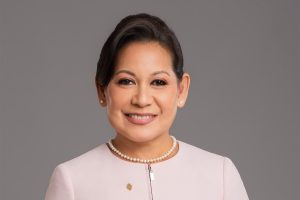
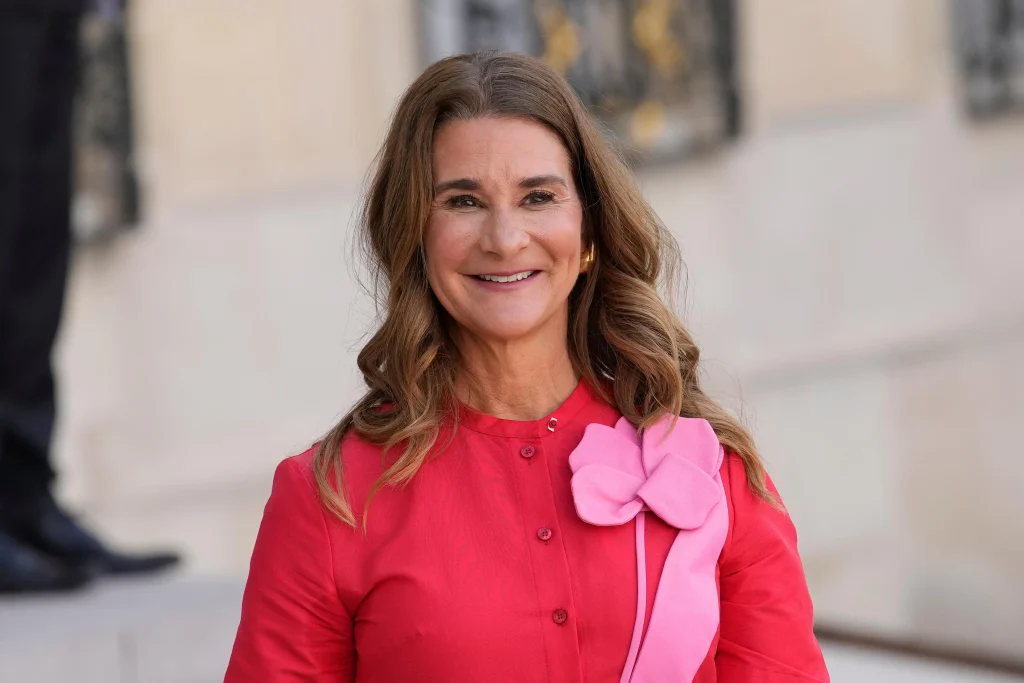
Three leaders donated the $20 million grants Melinda French Gates gave each of them by choosing where the money would go. The gifts came through her Global Leaders program, which let recipients decide how to distribute the funds.
French Gates launched the program in 2024 through Pivotal, giving $20 million each to 12 luminaries. Their only requirement was to donate the money by the end of 2026. The program was part of her plan to donate $1 billion to support women and girls, whose nonprofit organizations receive only about 2% of all U.S. philanthropic funding, the Associated Press reported.
Nearly all the money has now been donated. Pivotal calls the trust-based philanthropy initiative a “huge success” and is looking for ways to replicate it. The Associated Press reported on three leaders’ donations and how they approached the responsibility.
Three Leaders Donated With Different Approaches
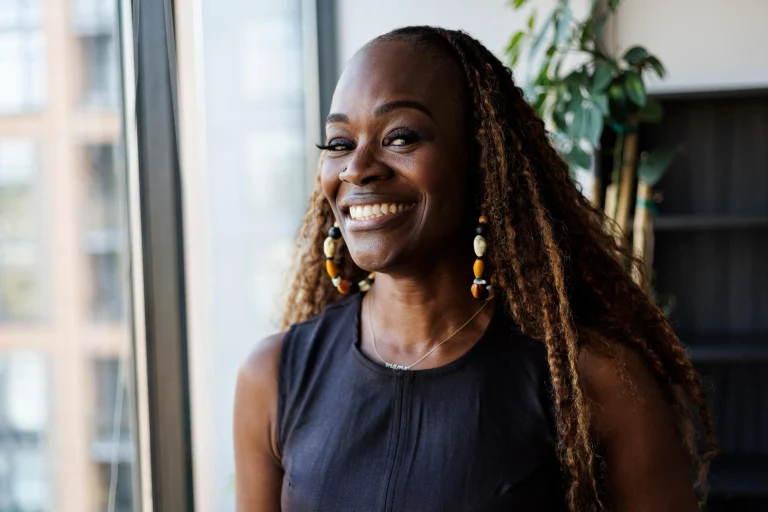
Dr. Alfiee Breland-Noble, a psychologist, author and founder of The AAKOMA Project, said she was shocked when French Gates selected her.
“It really was shock and awe,” she told the AP. Breland-Noble said the gift gave her a way to honor her mother’s legacy by helping people others might overlook.
She established The AAKOMA Project in 1999 as an academic research lab.
To distribute the grant, Breland-Noble created The MATTIE Fund, named for and inspired by her mother, Mattie McLeod Breland. It supported established organizations such as Asian Mental Health Collective, while she also searched beyond her existing network.
She looked for ideas through Google and LinkedIn, asked her Instagram community and sought recommendations from speaking audiences. Those searches led her to support BackSpinz Music Academy in North Carolina, which trains young people to use their creativity, and Daddy Stroller Social Club, which helps new fathers deal with postpartum depression.
Former New Zealand Prime Minister Jacinda Ardern chose a more demanding route. She said she wanted the money to create solutions that might not otherwise have existed. Working with the International Rescue Committee, she began a program to prevent postpartum hemorrhaging in areas affected by war and other humanitarian crises.
The resulting Safer Births in Crises Consortium focuses on preventing mothers’ deaths in South Sudan, Burkina Faso and Papua New Guinea. Ardern said 58% of maternal mortality occurs in conflict and humanitarian settings.
Her donations through The Matariki Fund for Women coincided with international aid funding cuts. Ardern said she felt compelled both to help programs continue and to advocate for restored support.
Three Leaders Donated to Expand Trust Based Giving
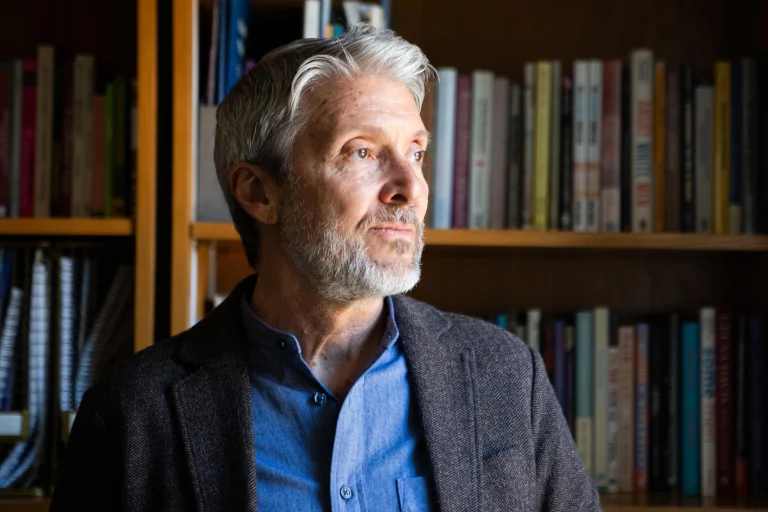
Gary Barker used his grant to expand his work and encourage other funders to support it. He is founder and CEO of the Equimundo Center for Masculinities and Social Justice, which engages men and boys in promoting gender equality. He launched the Caring Masculinity Fund to distribute French Gates’ donation.
Barker said The Minderoo Foundation in Australia asked him to do similar work at the country level after seeing what French Gates funded.
The grants’ average donation was approximately $240,000, according to Pivotal. The organization said 91% of the donations went to groups that had not received its funding before. Pivotal chief strategy officer Haven Ley said a final report will come next year, while the organization is already exploring how to build on the program.
French Gates said the leaders’ different perspectives made Pivotal more responsive and helped them have greater impact. She also described the initiative as a way to expand who makes funding decisions, as well as where the money goes. Other coverage has examined how women entrepreneurs need support beyond grants, women’s leadership programs and women leaders recognized for community work.
With nearly all the Global Leaders funding distributed, Pivotal is considering ways to replicate the model. Ley said the organization found the approach intriguing, and the final program report is expected next year.