
Prime Minister Narendra Modi approved four major policy decisions on February 13, 2026, signing the files from Seva Teerth, India’s newly inaugurated Prime Minister’s Office complex on Kartavya Path in New Delhi. The approvals covered accident care, women’s economic empowerment, agricultural investment, and startup funding.
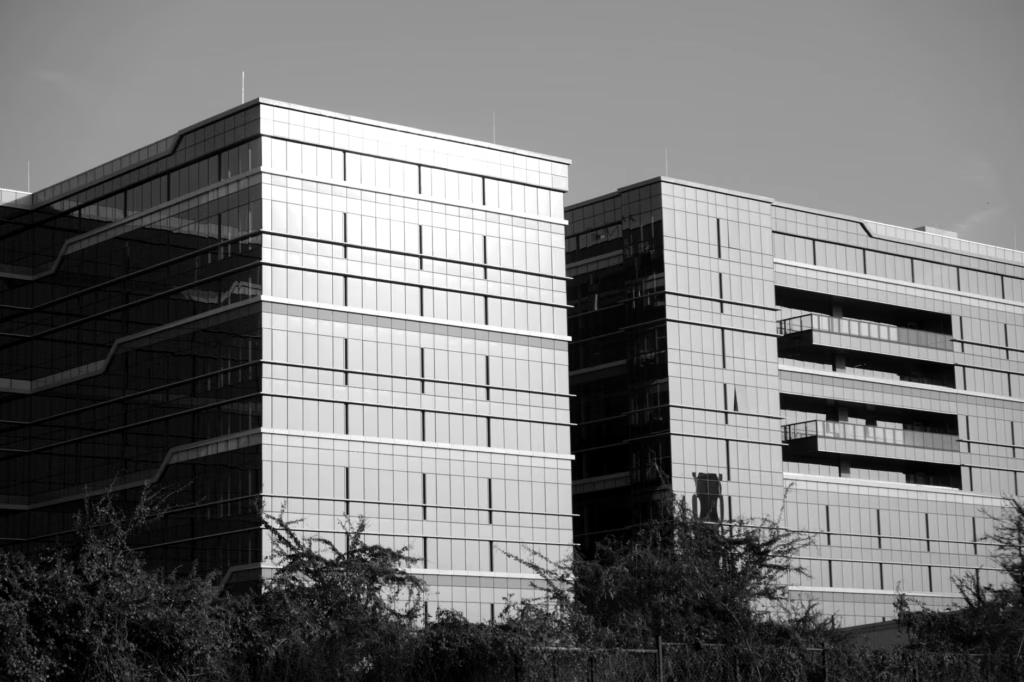
The new complex houses the PMO, the National Security Council Secretariat, and the Cabinet Secretariat under one roof. It was built by Larsen and Toubro at a cost of Rs 1,189 crore and carries a 4-Star GRIHA environmental rating. A plaque at the entrance bears the motto “Nagrik Devo Bhava,” meaning citizen is akin to God.
Lakhpati Didis Target Doubled to Six Crore
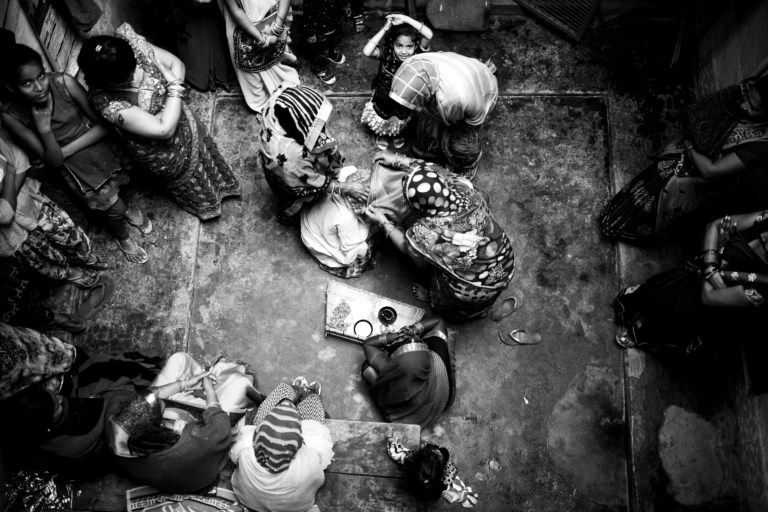
The most significant women-focused decision doubles the Lakhpati Didi program’s target. The government had already helped three crore women in rural self-help groups earn more than Rs 1 lakh per year, crossing that milestone more than a year ahead of the original March 2027 deadline. Modi has now set a new target of six crore Lakhpati Didis by March 2029.

The program channels income support through women-led self-help groups and aims to raise rural household earnings. For context on how targeted capital programs reach women entrepreneurs, see coverage of women-led tech Startup Funding and the broader challenge of capital access for women-led businesses.
Three Other Schemes Approved the Same Day
The PM RAHAT scheme provides cashless medical treatment of up to Rs 1.5 lakh for road accident victims. It targets the critical “golden hour” after a road accident, when prompt care is most likely to prevent death.
The Agriculture Infrastructure Fund was doubled from Rs 1 lakh crore to Rs 2 lakh crore. The expanded outlay targets India’s full agricultural value chain, from post-harvest storage to market linkages.
The fourth approval was Startup India Fund of Funds 2.0, carrying a corpus of Rs 10,000 crore. The fund focuses on deep technology, advanced manufacturing, and early-stage ventures. It builds on the original Fund of Funds structure and is intended to expand India’s innovation ecosystem. Analysts tracking women founders driving post-pandemic growth have noted that early-stage funding programs shape who benefits from national startup ecosystems.
The Seva Teerth building itself marks the first relocation of India’s PMO since independence. South Block, the former home of the Prime Minister’s Office, will now be converted into the Yuge Yugeen Bharat National Museum, with France providing technical support for that project. Modi formally inaugurated the complex and addressed a public gathering on the same evening, coinciding with the 95th anniversary of New Delhi’s designation as India’s capital.